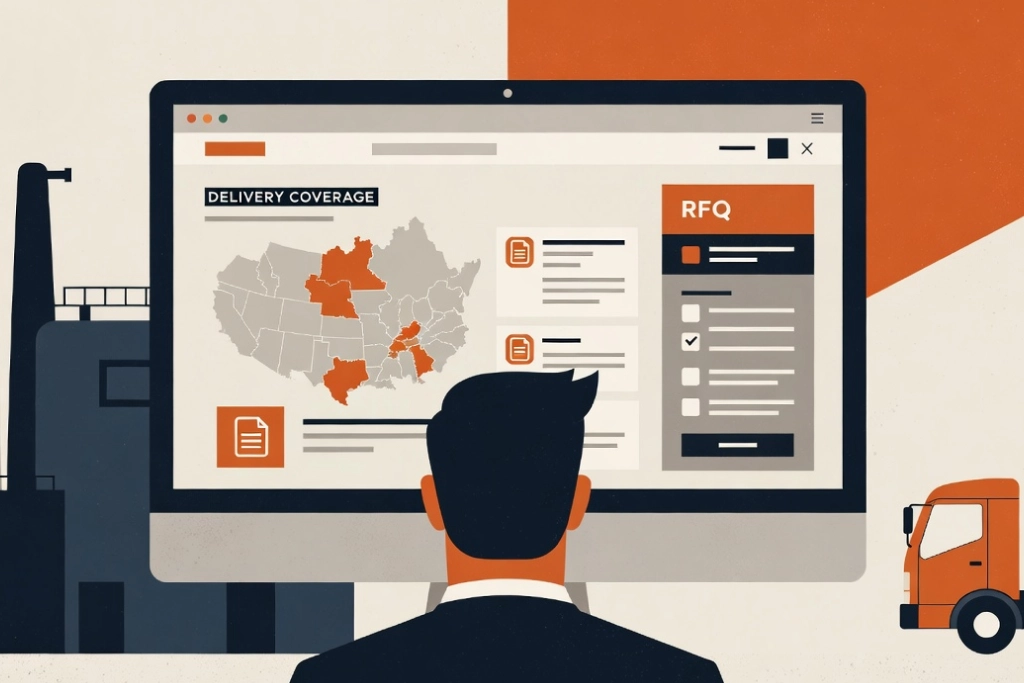

If prospects can’t quickly confirm your coverage area, delivery capabilities, and compliance, you won’t even make the shortlist.
Luckily, you don’t need to hire an expensive agency or code your website from scratch. Today, you can build a modern, high-performing fuel or distribution company website in just a few hours – using templates designed specifically for your industry.
Let’s go step-by-step through everything your website should include to attract new customers, gain partners, and stand out in a competitive market.
⚡TL;DR:
- A modern, high-performing website is critical for fuel & distribution companies to stay competitive and win more contracts. Buyers expect to quickly verify your credibility, services, coverage, and compliance – otherwise, they move on. To convert visitors into leads, your site should clearly target key customer groups, communicate a strong value proposition, and make it easy to request quotes or contact you.
- Essential elements include a clear homepage with strong CTAs, detailed service and product pages, trust-building sections (like certifications and reviews), and helpful features like a station locator and blog for SEO. Keep the design clean, mobile-friendly, and easy to scan.
- When done right, your website stops being just an online presence – and becomes a reliable sales tool that builds trust, generates leads, and helps you secure more fuel and distribution deals.
If clients can’t find you online, your contracts don’t matter
The fuel business is all about trust and reliability. Whether you deliver diesel to farms or manage a network of gas stations, your clients need to know you’re stable, transparent, and easy to contact.
Here’s what a strong online presence gives you:
Credibility – clients trust companies with modern, professional websites.
Efficiency – handle B2B and B2C inquiries through built-in forms instead of endless calls.
Visibility – rank higher on Google when prospects search for a wholesale fuel supplier, regional fuel distributor, bulk fuel delivery, or on-site fueling services.
Sales boost – attract more wholesale and retail customers directly from your site.
Let’s be honest – even the best contracts won’t help if potential clients can’t find you online.
Create Your Website
Fuel & distribution company website checklist: elements that prevent lost leads
1. Buyer Personas
In the fuel & distribution industry, your website often has to sell to very different customer types: fleet owners, farmers, construction companies, or gas station operators. That’s why defining personas upfront makes your messaging sharper – and your site converts better.
Here are three simple examples of fuel & distribution buyer personas:
Example 1: Arthur (Transport Company Owner, 48)
Example 2: Jack (Farm Owner, 56)
Example 3: Brian (Procurement Manager, Manufacturing, 41)
Once you define personas like these, it becomes much easier to shape your website’s value proposition, structure your services page, and write headlines that immediately feel relevant to the visitor.
2.Value Proposition
Tailoring both your buyer personas and value proposition ensures that your website resonates with the right audience, driving engagement, trust, and ultimately, conversions.
3. Homepage
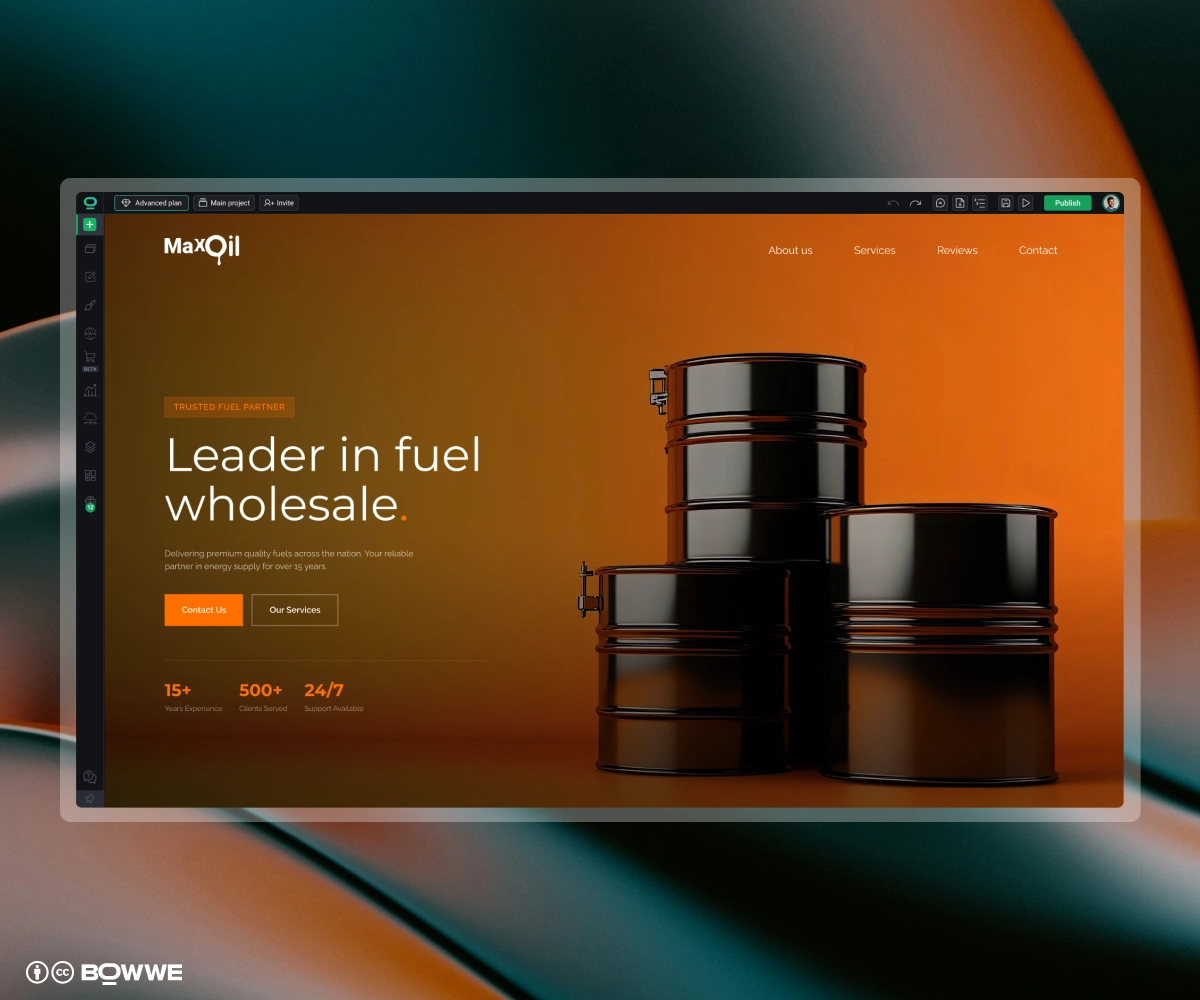
Then, short CTAs like: “Get a Quote” | “Request Delivery” | “Find the Nearest Station”
3.1. Hero banner
3.2. Headline
3.3. Call to Action (CTA)
- "Get a Quote"
- "Find the Nearest Station"
- "Contact Us”
4. About Us
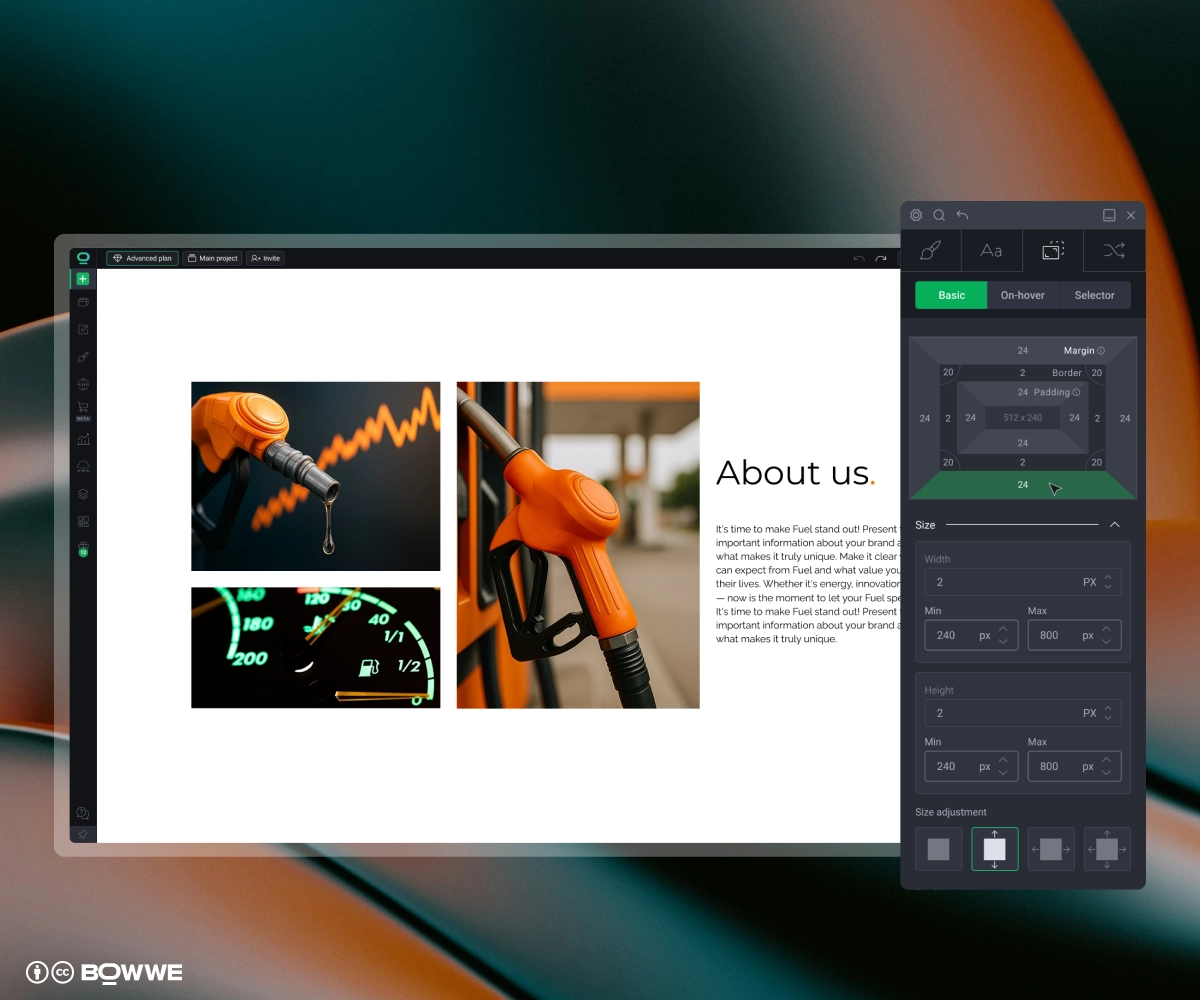
Include certifications, safety standards, and years of experience.
Fuel companies thrive on trust, and your "About Us" section is crucial to establish that.
- Share your company’s history, mission, vision, and core values. Show how long you've been in the business and highlight your stability.
- Display industry certifications (ISO, safety standards, environmental certifications, etc.) to demonstrate professionalism.
- Introduce your leadership team with pictures and bios. People like doing business with people they trust.
5. Offer / Products
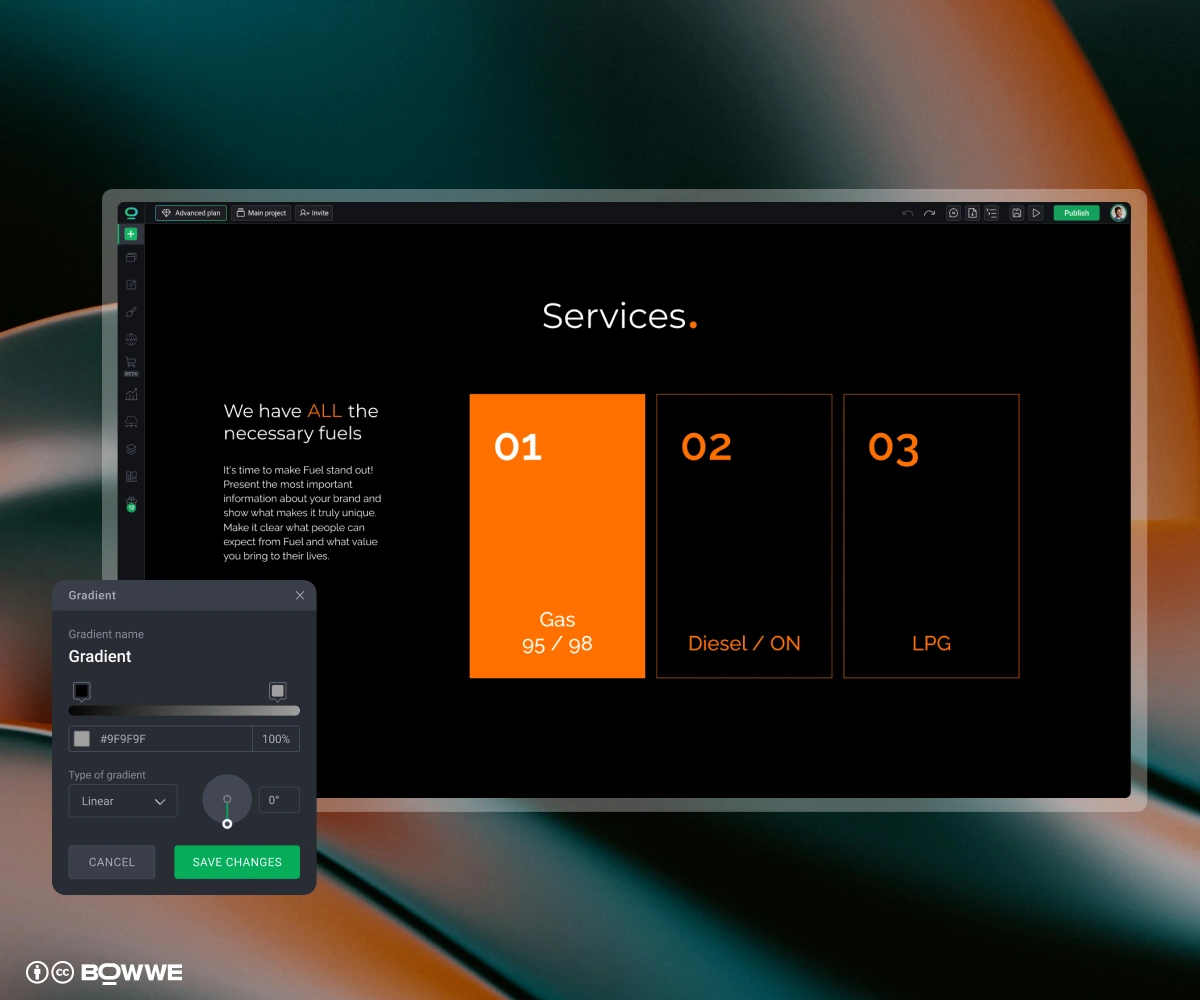
Add details like ecological solutions, biocomponents, or bulk delivery options.
What to Include:
- Fuels: Diesel, gasoline, heating oil, LPG, biofuels, etc. Provide details on each, such as their uses, benefits, and specific applications for B2B and B2C customers.
- Sustainability: If you offer eco-friendly solutions like biofuels or sustainable practices in your operations, highlight them.
- Delivery options: Whether it’s bulk delivery or scheduled deliveries, make sure your clients know how flexible you are in serving them.
6. Station Locator
What to Include:
- A simple, interactive Google Maps integration where users can quickly find the nearest station, depot, or fueling point.
- Allow visitors to filter by services (e.g., LPG, car wash, 24/7 access, etc.).
7. Blog / News
Your blog should serve as both a resource for customers and an SEO strategy.
Content Ideas:
- Updates on fuel prices, new regulations, and market trends.
- Tips on fuel economy, how to store diesel safely, or how to maintain equipment.
- Industry news like fuel innovation or environmental concerns.
8. Contact
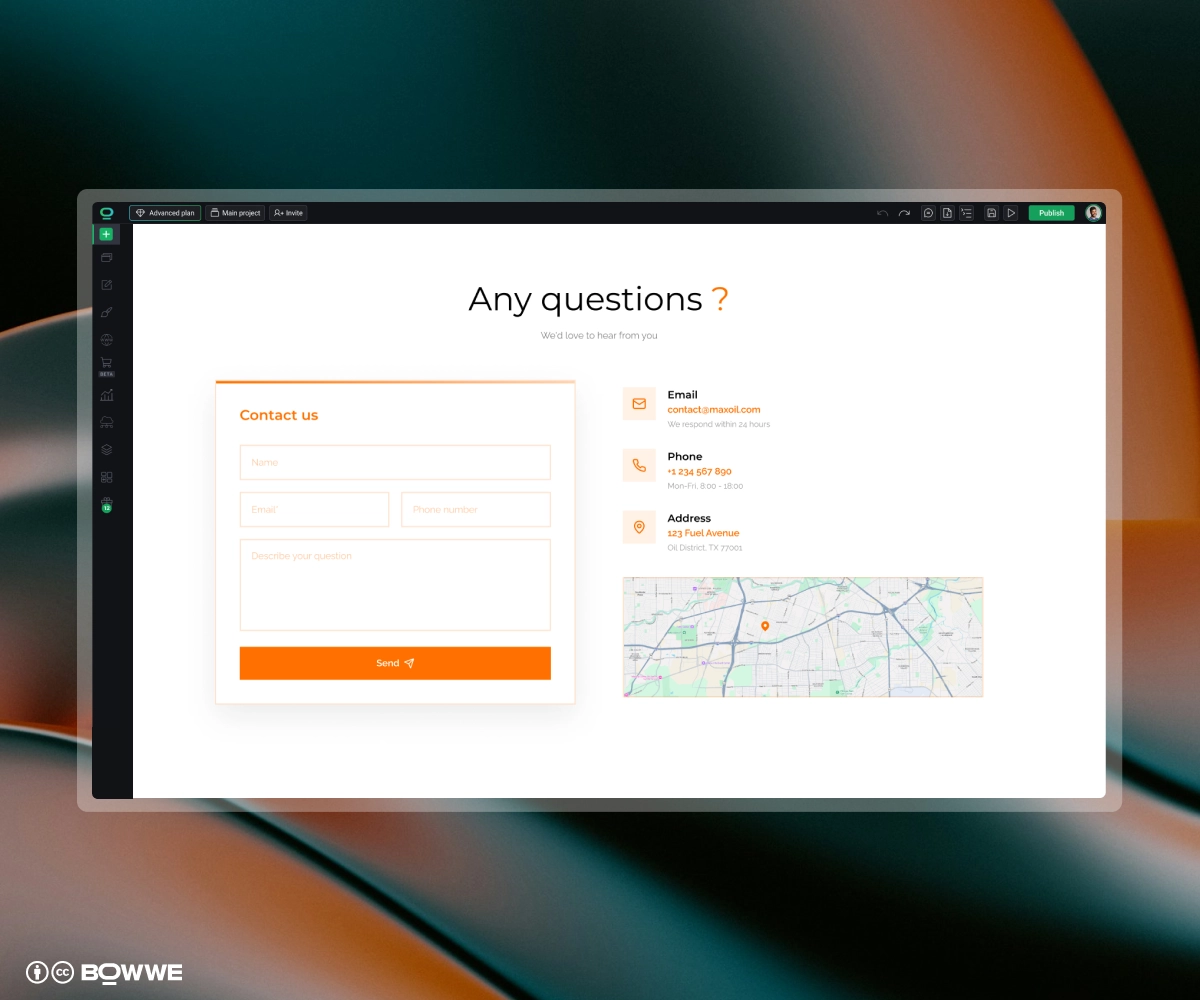
What to Include:
- Simple contact forms: Use BOWWE's contact form widget, which can be easily added through the drag-and-drop builder. It allows customers to quickly submit inquiries without the hassle of making a phone call.
- Quick access to hotline and customer service: Provide instant access to your customer service via clickable phone numbers and email addresses for quick inquiries.
10. Reviews
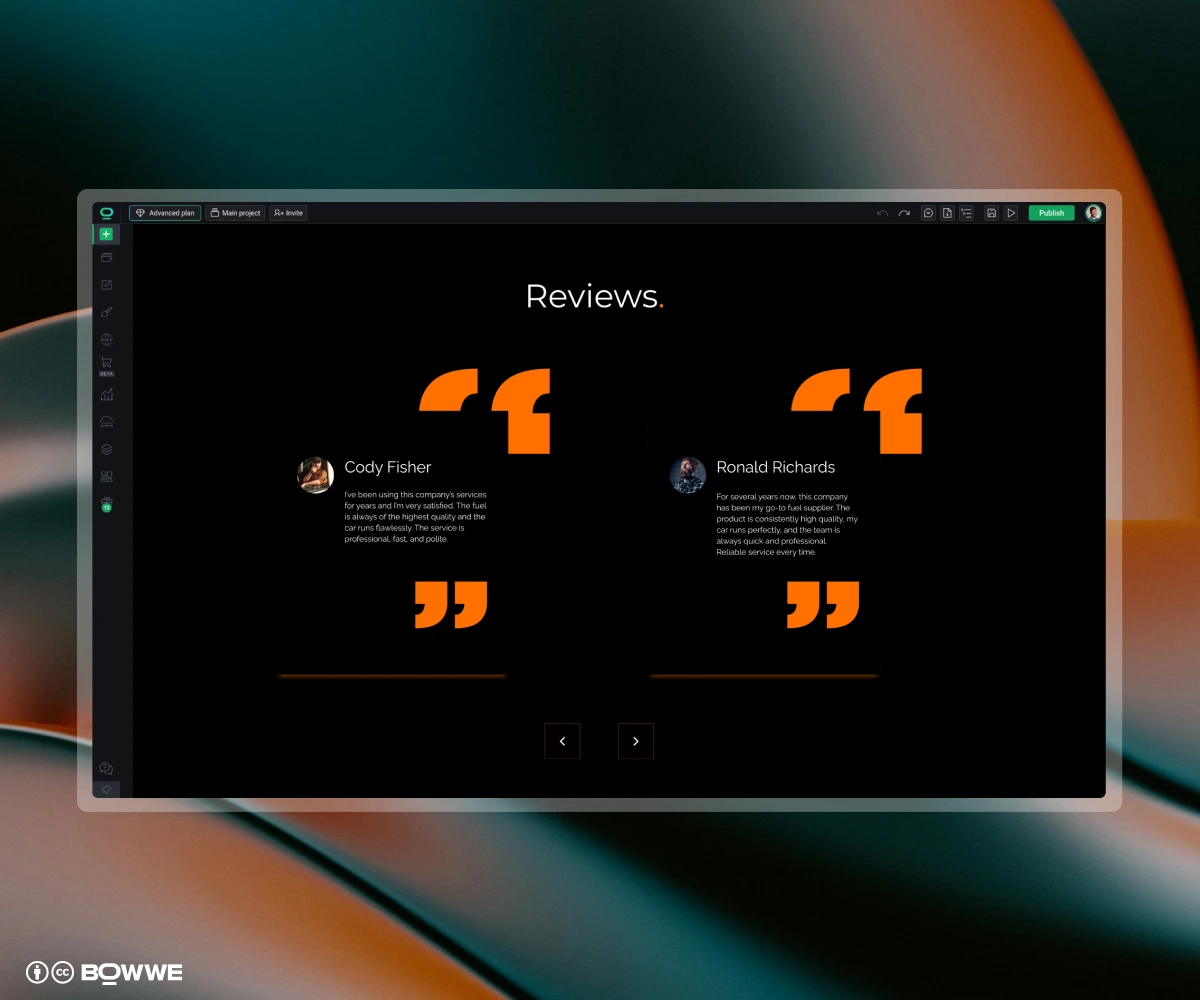
What to include:
- Short quotes from real customers (B2B + B2C)
- Name + role/company type (e.g., Fleet Owner, Farm Manager)
- Focus on what matters most: delivery speed, fuel quality, support, flexibility
- Best placement: homepage (near CTA), offer page, and B2B section
Visual & design tips that build trust in the fuel & distribution industry
Keep it clean, modern, and dynamic.
- Colors: Red, navy, and white – and here’s why they work: red grabs attention and drives action (perfect for CTAs), navy signals stability and trust, and white keeps the layout clean and readable.
- Fonts: Montserrat or Oswald – both clear and strong, ideal for an industrial look.
- Style: Minimalist or industrial – no clutter, just strong visuals and real photos.
- Photos: Show your stations, logistics, fuel trucks, or team – not stock nonsense.
- Layout: Keep everything scannable. Decision-makers won’t read long blocks of text.
Don’t let your website cost you fuel contracts
If your website is modern, fast, mobile-friendly, and structured around your customers’ needs, it stops being “just a business card” – and starts working like a real sales tool.
Create Your Website
Fuel company website - FAQ
How to drive sales on a website?
How can I create a fuel & distribution website for free?
Does a fuel supplier or distributor really need a website?
What makes a fuel & distribution website look trustworthy?

Karol is an entrepreneur, e-commerce speaker among others, for the World Bank, and founder of 3 startups, as part of which he has advised several hundred companies. He was also responsible for projects of the largest financial institutions in Europe, with the smallest project being worth over €50 million.
He has two master's degrees, one in Computer Science and the other in Marketing Management, obtained during his studies in Poland and Portugal. He gained experience in Silicon Valley and while running companies in many countries, including Poland, Portugal, the United States, and Great Britain. For over ten years, he has been helping startups, financial institutions, small and medium-sized enterprises to improve their functioning through digitization.