That’s why buyer personas matter in the fuel & distribution industry. Customers want stable costs, reliable deliveries, compliance-ready documentation, and proof you can perform.
Below I’ll share 5 practical buyer personas and show how to use them to build a website that converts – whether you sell locally or across multiple regions.
⚡TL;DR:
What to do:
- Pick 3–4 key personas (e.g. fleet/operations, farmer, procurement). Fewer is better.
- For each persona define: goal (what they want to achieve), risk (what they’re trying to avoid), proof (what they need to see to trust you).
- Shape your website around those needs: pricing logic, delivery process, documentation, and reporting, all clearly explained without needing a phone call.
Example:
Procurement manager (multi-site): wants audit-ready supplier → show SDS/certificates upfront, explain delivery SLAs, add reporting samples → CTA: “Request a Supply Proposal”.
Growth Hack:
What is a buyer persona?
In fuel & distribution, personas matter because the same website can’t speak equally well to:
- someone trying to stop fleet downtime,
- someone trying to survive peak season,
- and someone trying to pass an audit across 12 locations.
Create Your Website
Why Buyer Personas matter in fuel & distribution
If they can’t quickly confirm:
- delivery reliability
- compliance & documentation
- pricing logic
- coverage area
- …they leave. No second chances.
That’s why fuel & distribution websites must be persona-driven – especially on B2B pages.
Example buyer personas for fuel & distribution companies
Persona #1: Arthur (Fleet / Transport Owner)
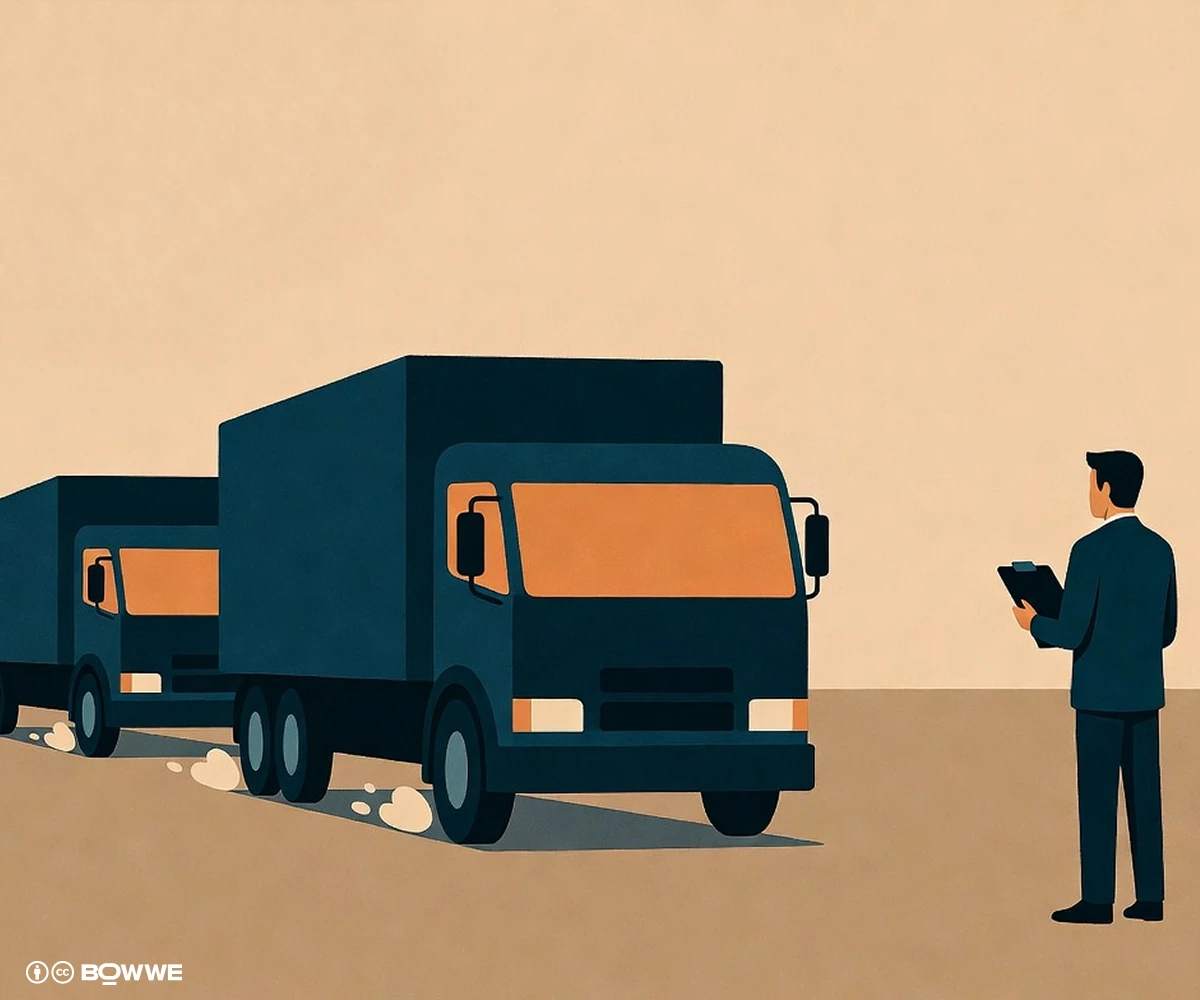
What Arthur needs from your website:
- Clear contract pricing options
- Delivery coverage and timelines
- Proof of reliability
- Fast CTA: “Get a Fleet Fuel Quote”
Persona #2: Jack (Farmer / Agriculture)
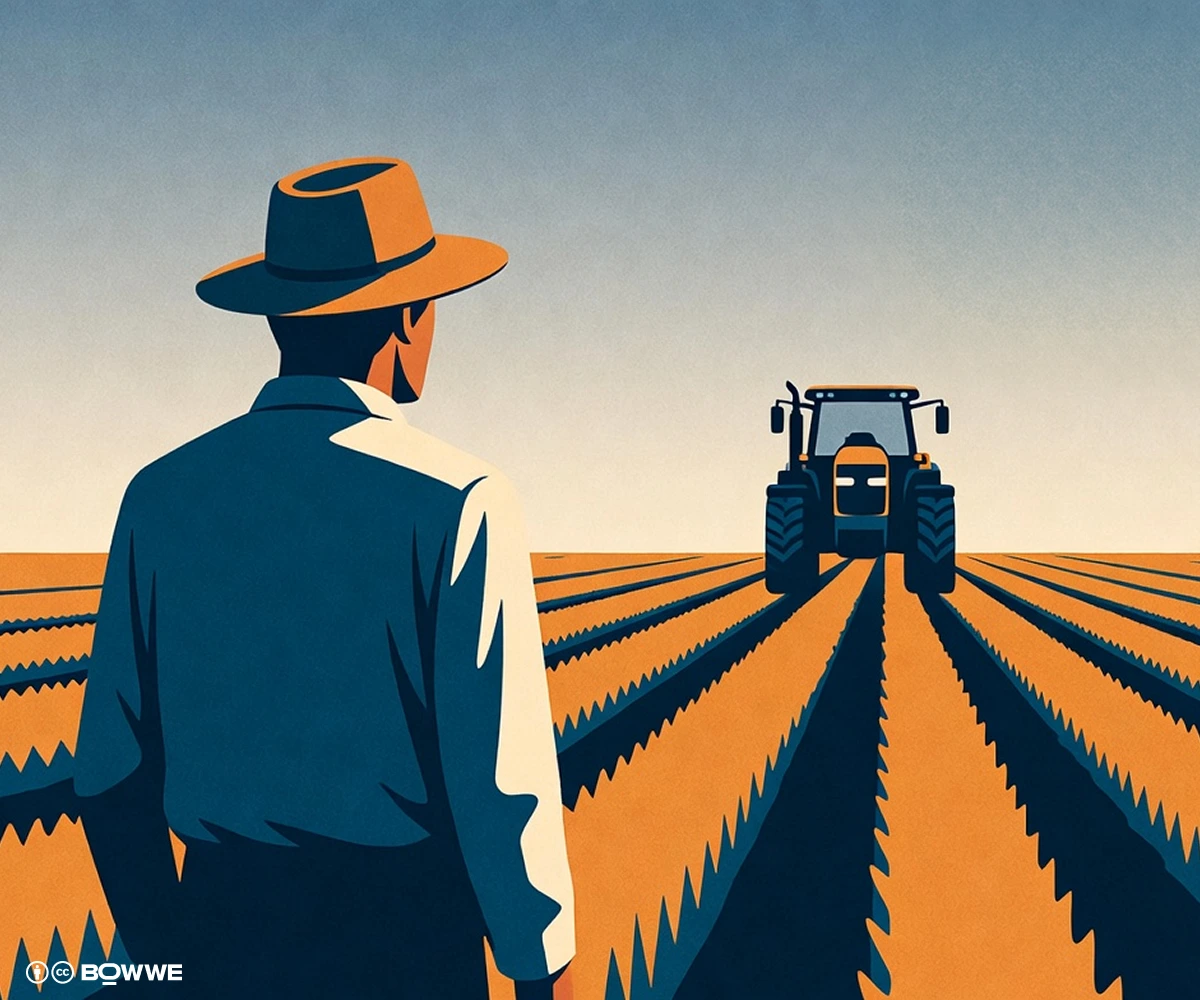
When harvest or planting starts, fuel must be there – not tomorrow, not “we’ll call you back.” Any delay means lost time, stressed equipment, and real money left in the field.
For Jack, fuel quality is non-negotiable. Bad fuel doesn’t just burn poorly – it damages machines, causes breakdowns, and can stop work at the worst possible moment.
What Jack needs from your website:
- Clear seasonal delivery planning (pre-season scheduling, volume planning)
- On-site delivery explanation (how it works, minimum volumes, lead times)
- Storage and safety guidance (simple, compliant, easy to understand)
- Fuel quality proof (specs, certificates, origin)
- Fast CTA: “Schedule Farm Fuel Delivery”
Persona #3: Brian (Multi-site Procurement)
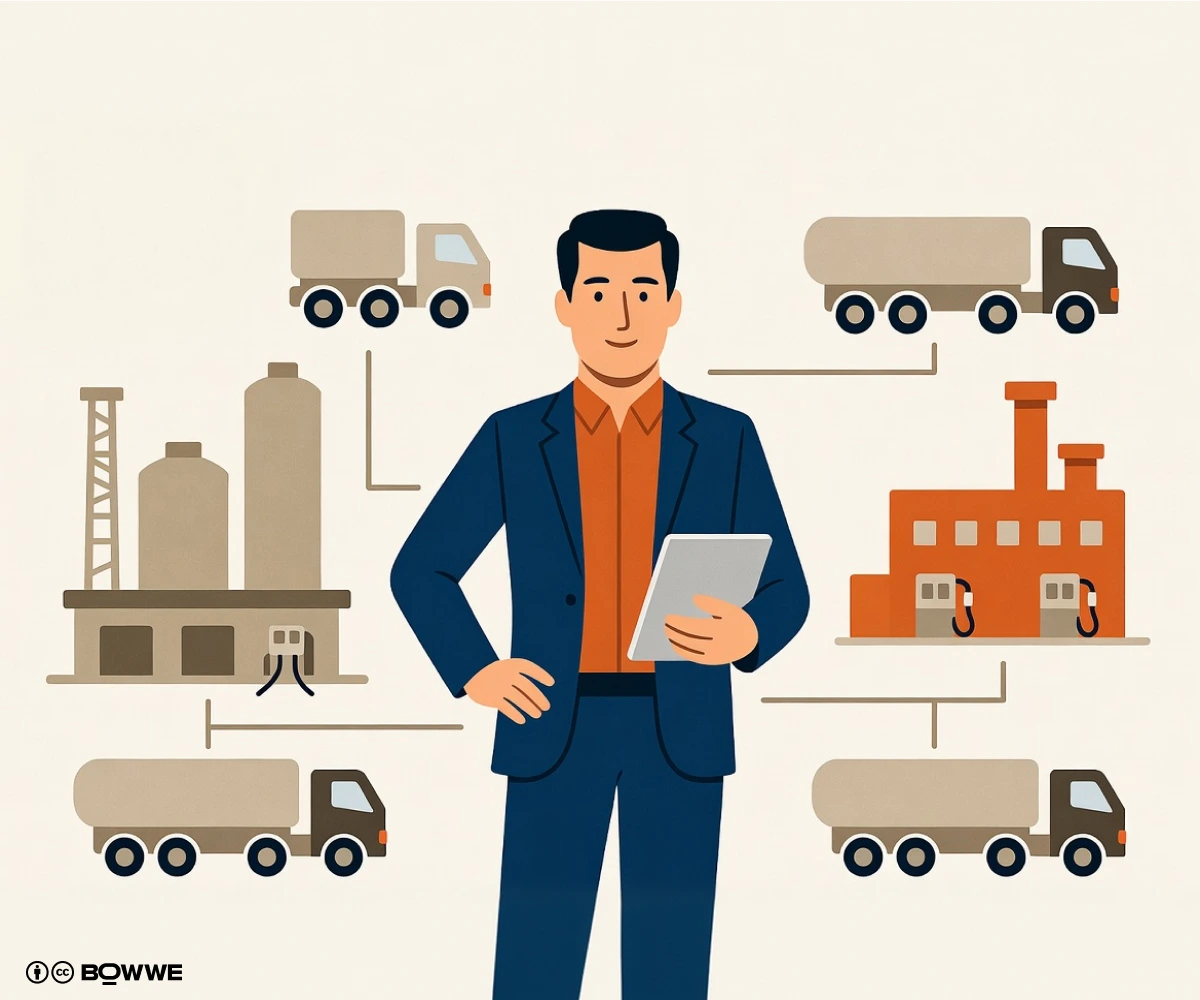
He manages fuel supply across multiple sites, and he buys with one mindset: risk reduction. “We’re reliable” means nothing unless you can prove it with documentation, service commitments, and reporting.
Brian wants one partner he can defend in onboarding and audits: predictable deliveries, compliance-ready files, and clean, exportable data.
What Brian needs from your website:
- Documentation first: SDS/specs/certificates (easy to download)
- Service expectations: delivery windows
- Reporting: site-level breakdowns, invoice/report samples
- Fast CTA: “Request a Supply Proposal”
Persona #4: Adam (Construction / Job Site Ops)
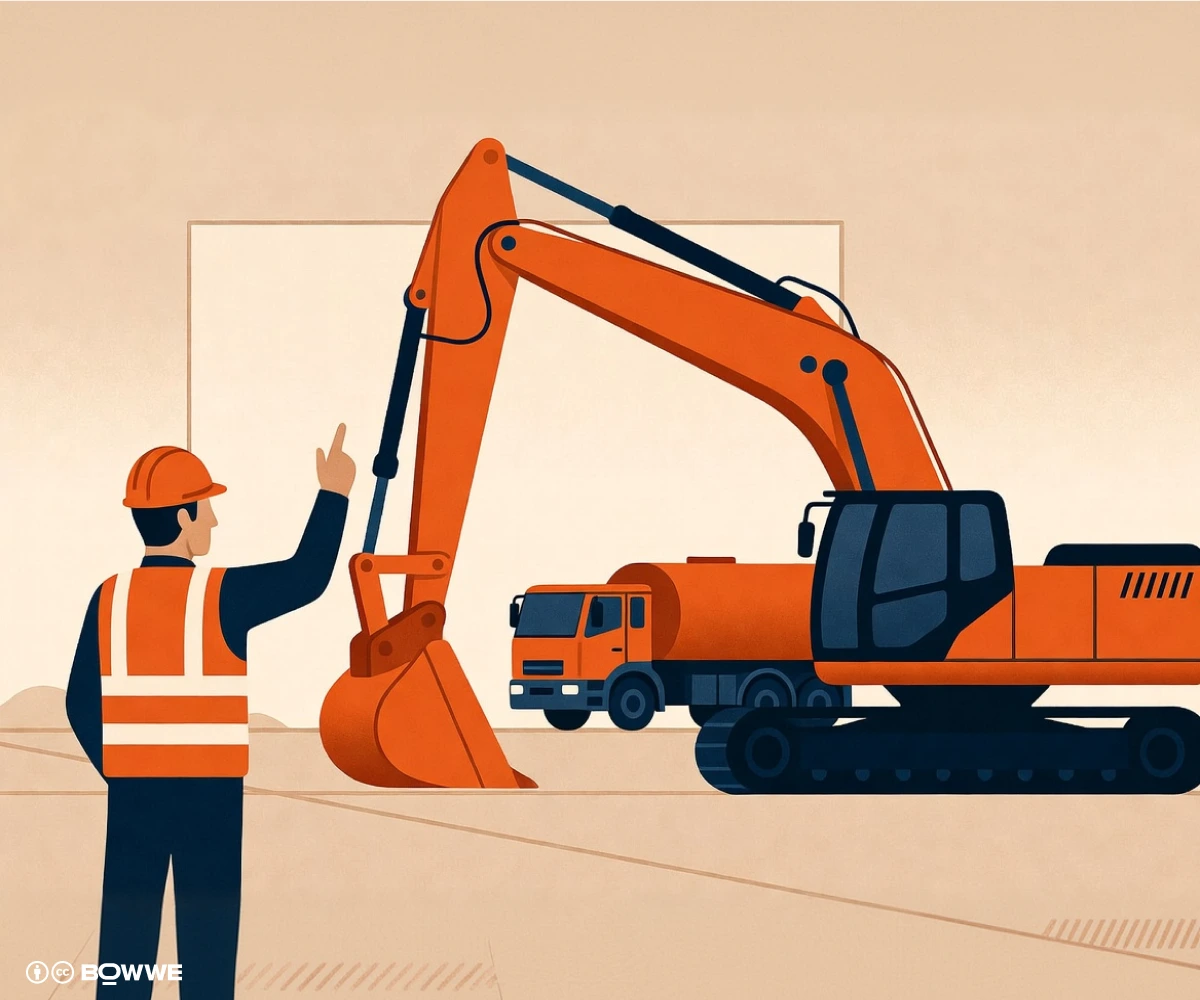
Adam needs to see that you understand job-site reality: flexible delivery windows, coordination with site managers, and clear rules around on-site storage and safety.
What Adam needs from your website:
- Flexible delivery options (scheduled + short-notice)
- Clear process explanation (how ordering works when plans change)
- On-site storage & safety guidance
- Fast CTA: “Talk to a Site Supply Specialist”
Persona #5: Anna (Director of Procurement, International Logistics)
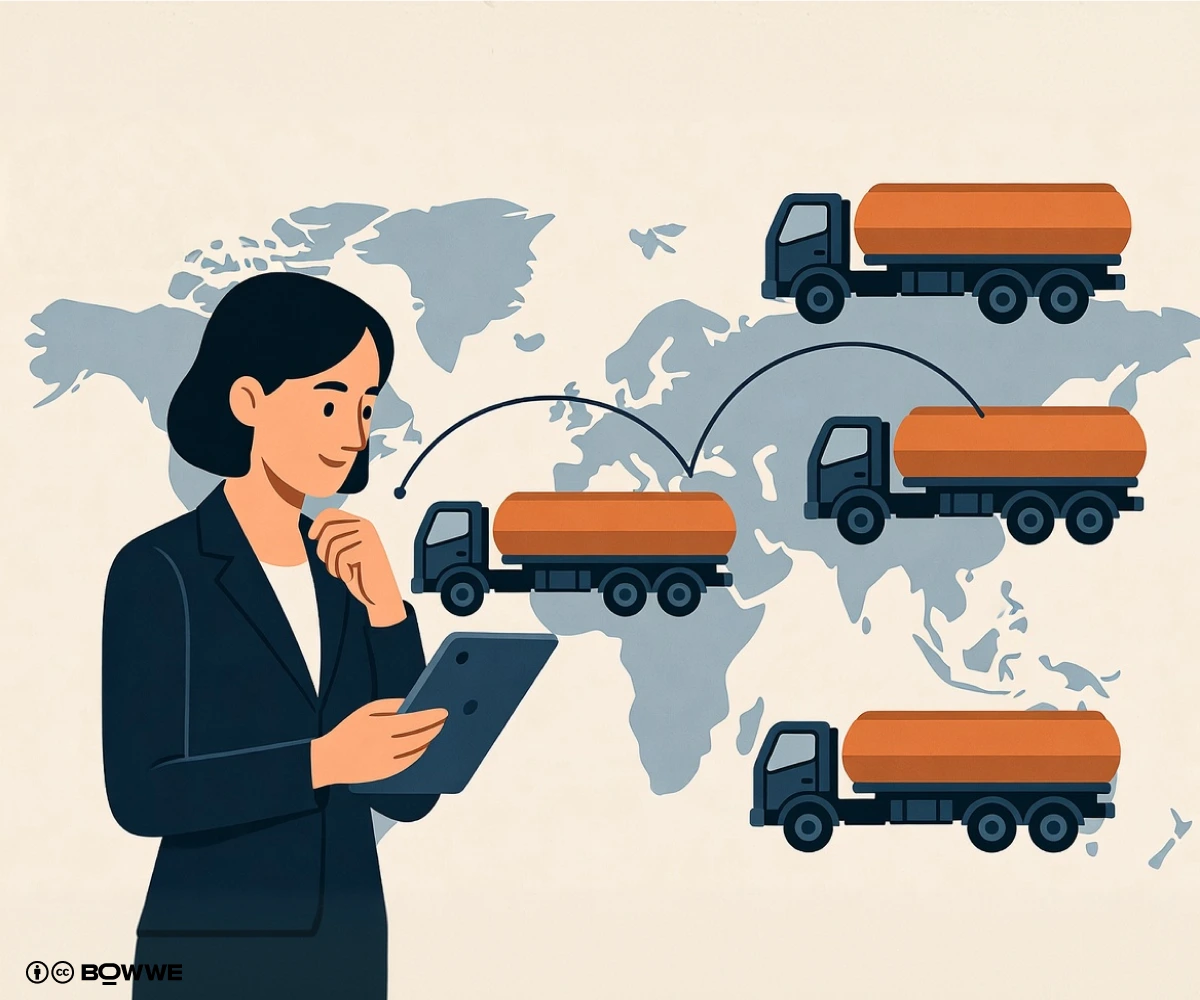
Anna needs clear answers fast: predictable pricing, measurable performance, and compliance-ready operations.
What Anna needs from your website:
- Long-term contracts with price models and guarantees explained clearly
- Reporting & analytics (fleet/site breakdowns, export-ready data)
- Sustainability & ESG proof (CO₂, compliance, initiatives – no greenwashing)
- Fast CTA: “Talk to Enterprise Sales”
How to create buyer personas for fuel & distribution companies
1. Find out as much as you can about your personas
Then validate with a small number of short interviews. Five to ten conversations with customers or prospects is usually enough to separate “what people say they want” from “what they actually decide on.”
2. Create buyer personas using a simple template
A practical persona format looks like this:
- who they are (role + context),
- what they’re trying to achieve (goal),
- what they fear or avoid (pain points),
- what they must see to trust you (proof),
- and what action they’re willing to take (best CTA).
3. Verify and refine
The simplest test is: “Did the new website messaging change behavior?” More proposal requests, fewer repetitive documentation emails, shorter sales cycles, better lead quality. If nothing changes, your personas are probably too vague – or your website isn’t using them.
How to use buyer personas in the fuel & distribution industry
Here’s the most effective shift: build the site around how buyers reduce risk.
For example, if you want to attract more operations leaders and procurement decision-makers, your B2B experience should make it easy to evaluate you without a phone call. That means documentation is organized, the delivery process is clear, and reporting expectations are spelled out.
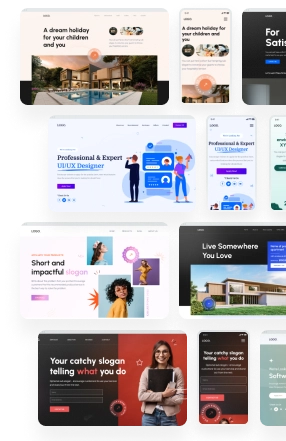
This is also where templates help. With BOWWE, you can start from website templates designed specifically for the fuel and distribution industry, built on dozens of hours of analysis of how companies in this space actually buy. Instead of creating everything from scratch, you get a structure that already includes the key sections and features needed to support business goals and communicate clearly with the right personas. From there, you can tailor content and CTAs to match your specific audience.
If you do just one thing after reading this: make your B2B page procurement- and operations-proof. Put documentation, service clarity, and reporting up front, then ask for the proposal. That single change often lifts lead quality immediately.
Buyer Personas for Fuel & Distribution Companies - Summary
If you build personas for Arthur, Jack, Brian, Adam, and Anna, and then reflect them in your website structure, CTAs, and trust content – you stop looking like a commodity and start looking like a safe vendor.
Create Your Website
SEO for fuel & distribution website - FAQ
How many buyer personas do I need?
What’s the difference between a buyer persona and a target audience?
What should a B2B fuel & distribution website include?
How often should I update buyer personas?

Karol is an entrepreneur, e-commerce speaker among others, for the World Bank, and founder of 3 startups, as part of which he has advised several hundred companies. He was also responsible for projects of the largest financial institutions in Europe, with the smallest project being worth over €50 million.
He has two master's degrees, one in Computer Science and the other in Marketing Management, obtained during his studies in Poland and Portugal. He gained experience in Silicon Valley and while running companies in many countries, including Poland, Portugal, the United States, and Great Britain. For over ten years, he has been helping startups, financial institutions, small and medium-sized enterprises to improve their functioning through digitization.